Production
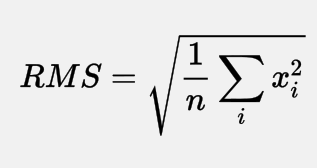
(mixingwithmike.com) Lesson 17: Functional Compression parts 1 and 2; With a basic understanding of transients and rms values now under my belt, I got more out of reviewing part 1 and then moving to part 2. Mike White, the course creator, talked about using compression to create depth and dimension in the 3D sound field by varying combinations of compression ratios, attack, and release. It was very edifying to hear how three-dimensional the mix became with slight adjustments in the relationship of those three compression parameters to all the different instruments in the mix. A key takeaway is that a fast release time pushes instruments further back in the mix while a slow release time has the opposite effect. Interestingly, he used copies of the SSL compressor on every track.
Theory
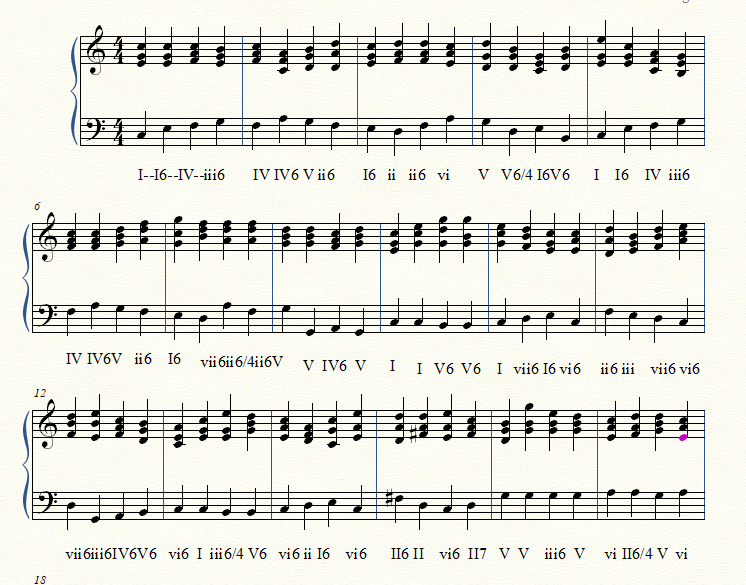
I decided it was time to get back to my theory review. I will be doing an alternating day approach between harmony and counterpoint. I am using ‘The Complete Musician’ by Steven J. Laitz. While I think the title is a little pretentious (mastering Western tonal harmonic practice and fundamental voice leading will definitely not make a musician ‘complete’) the exhaustive nature of the approach to tonal harmony as it was developed in the common practice period is impressive. Laitz demonstrates a thorough mastery of Western harmonic thinking from the common practice period through to more dissonant harmonic usage in 20th century music. To put a cap on my recent review of the function of all 7 diatonic triads and 7th chords, I have decided to create a summary of all harmonic and voiceleading functions permissible in the limited scope of this system:
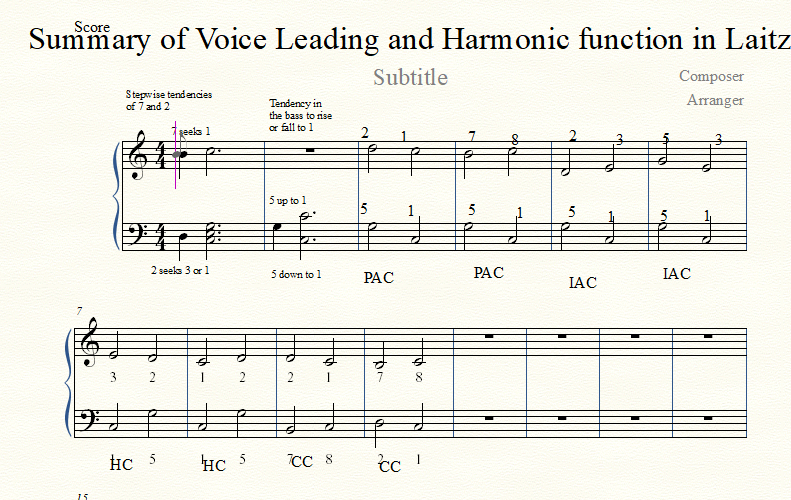
This will take some time, but when finished it will have served as a good final review and will also supply me with a type of musical shorthand for applying this information in my own musical output. I will be cleaning up the visual presentation in the score a bit.
Composition
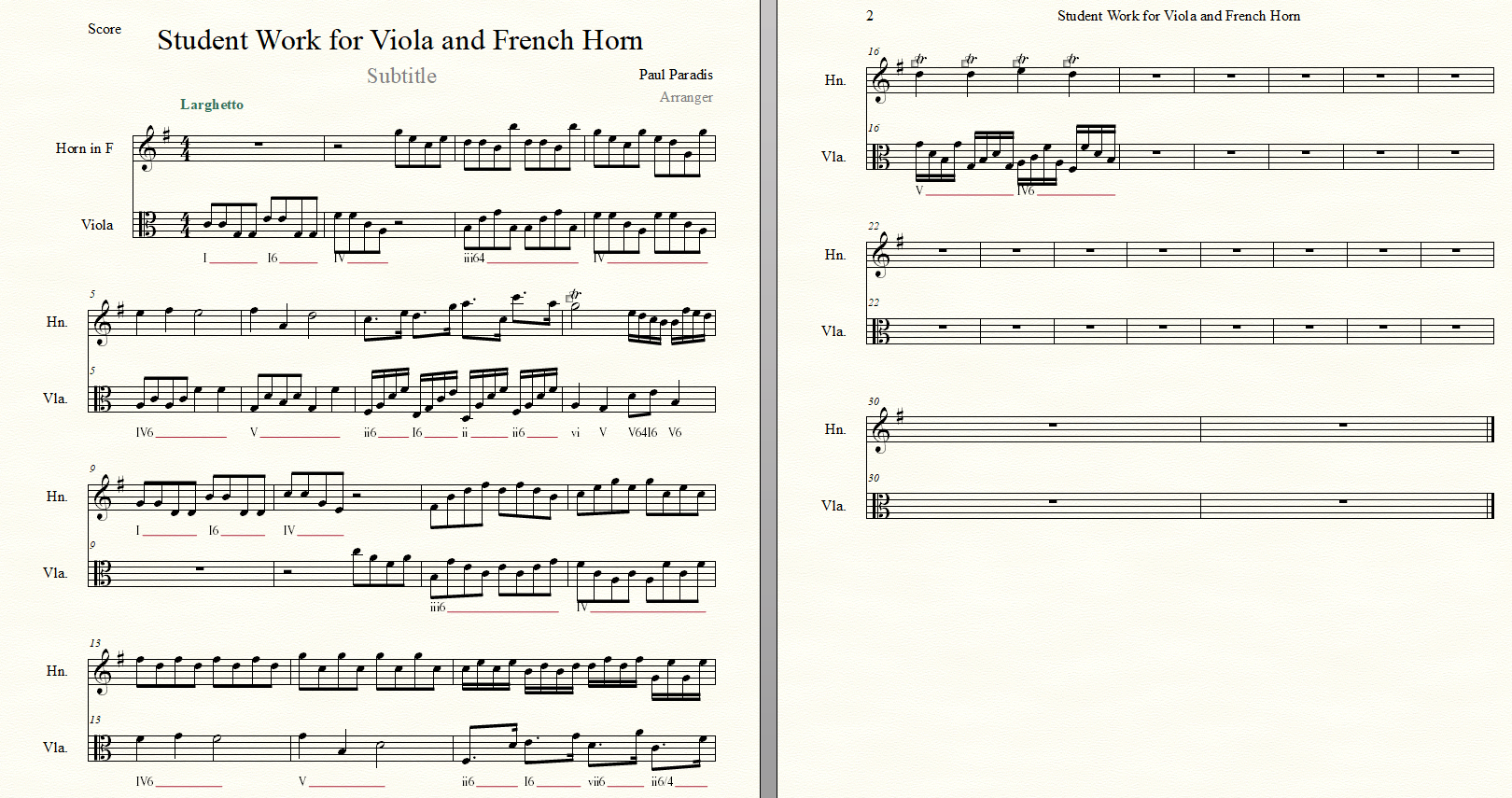
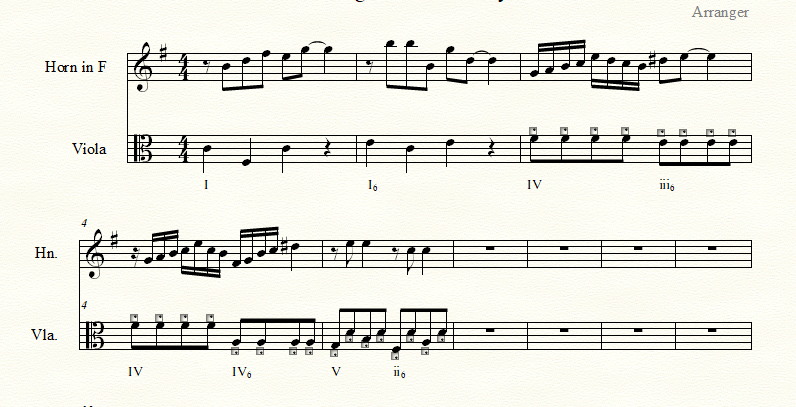
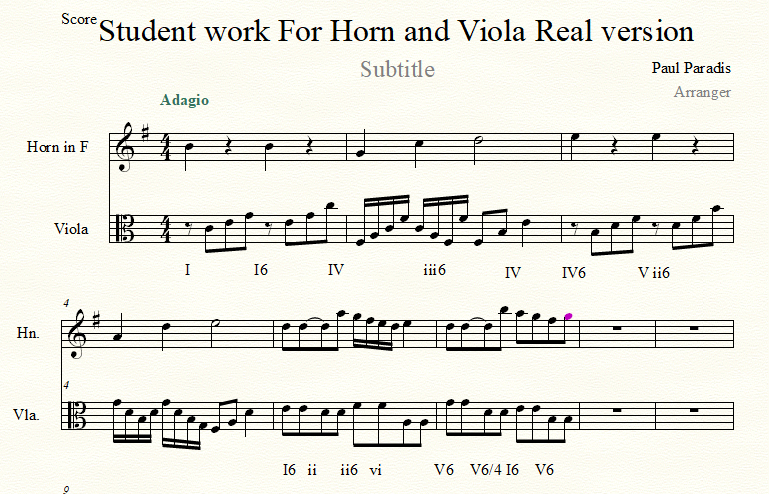
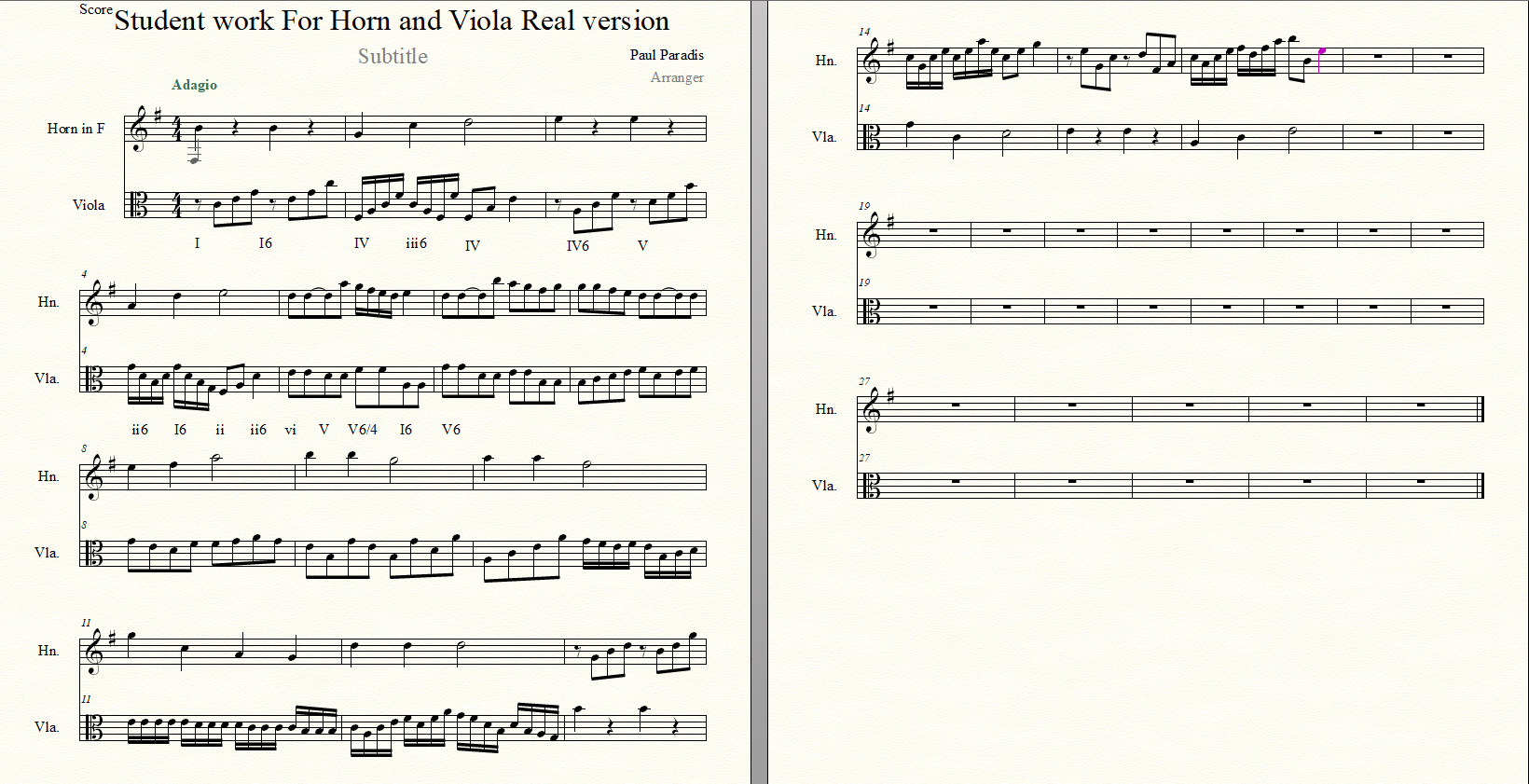
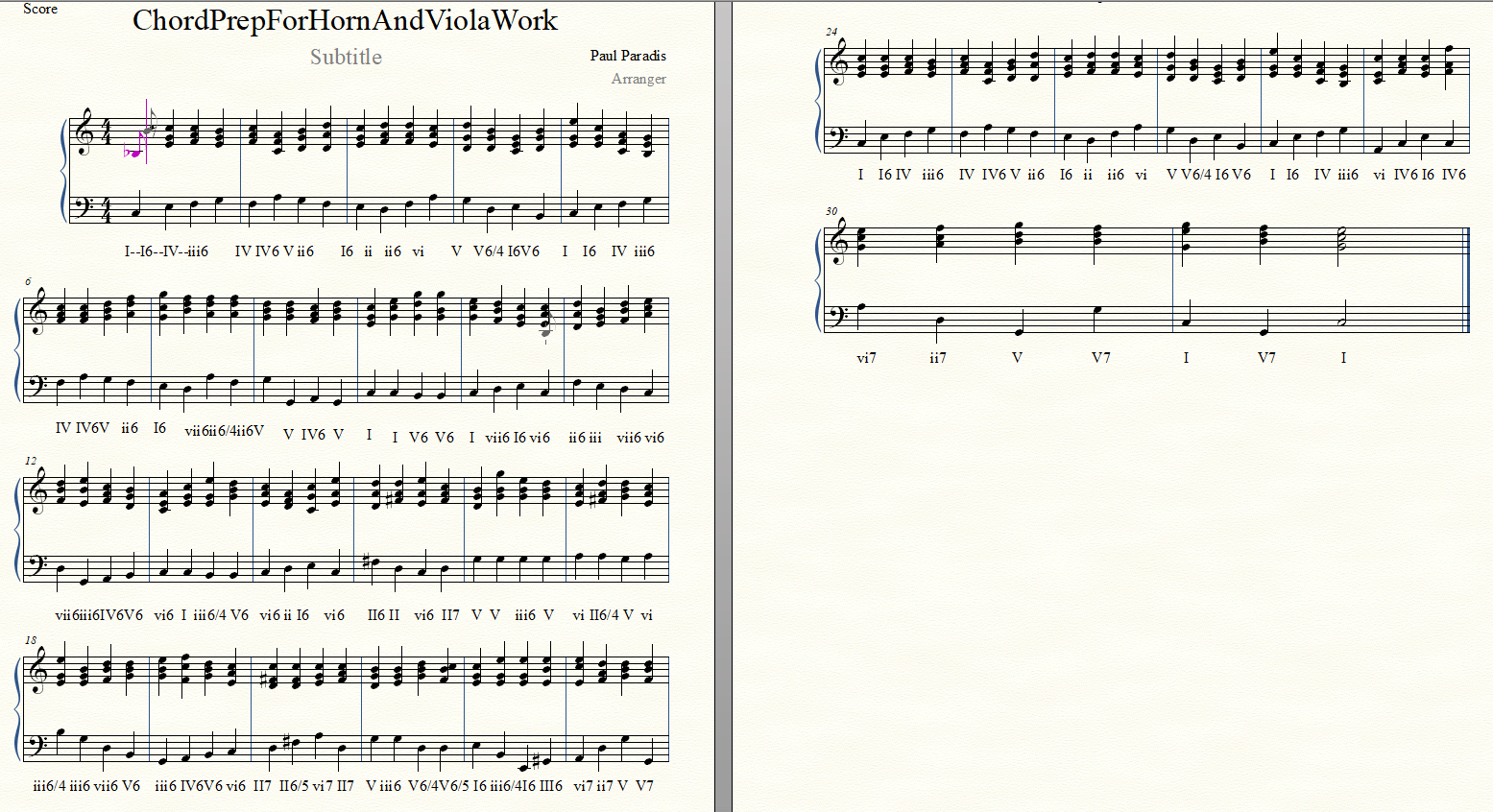
The student work is well on its way now:
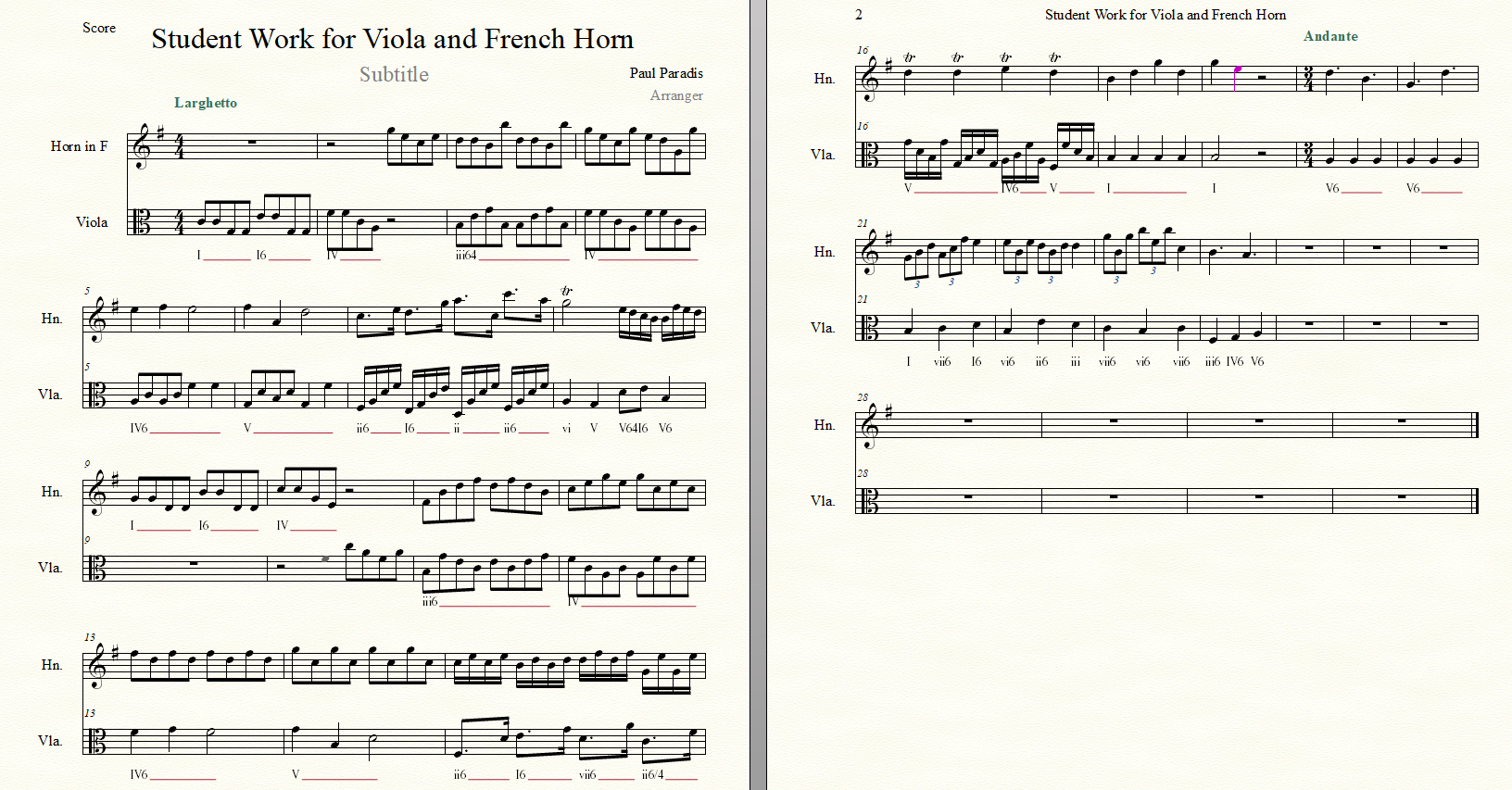
I am looking to finish this up by Wednesday of next week. How my composition teacher will receive this is going to be interesting. I suspect the discipline I have displayed will be appreciated, but the completely amateurish nature of the music will give rise to some needed constructive criticism. I need to take more time to actually look at established orchestration practices for the instruments I choose to write for. I need to apply more focused effort in this direction.
Electronic Music
I have determined what ideas I will be developing next, looking to produce two to three DIA tracks, either as one release or as a set of singles. Looking forward to getting started on this when I finish up my student work for Viola and French Horn. Ready to inflict some more noise on the world.
Today's listening:
Miles Davis: Bitches Brew (https://tinyurl.com/4jyeenss)